


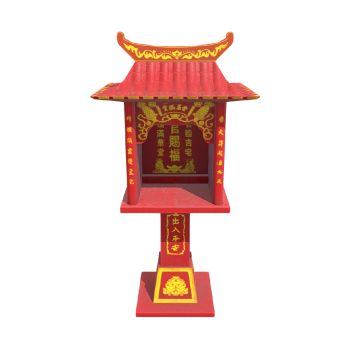
Shrine
Shrine (or sacred platform, god house), is a kind of furniture used to worship gods or ancestral tablets, common in Chinese families and religious places. In Buddhist and Taoist traditions, shrines are important places of spiritual practice. People burn incense and place offerings in front of shrines to show their piety and respect. It can be used to worship various gods (such as the God of Wealth, Guanyin, Guan Gong) or ancestral tablets (God's main card) to pray for blessing, peace and family prosperity. When placing the shrine, feng shui factors are usually considered, such as the location should be from the inside of the house to the outside, avoiding the bedroom, kitchen or toilet.

Exquisite Stone Carvings on Temple Walls in Taiwan (Part 2)
The stone carving art on the walls of Taiwanese temples is a traditional craft with a long history, integrating religious beliefs, cultural arts, and local characteristics. Carving usually uses locally unique stones from Taiwan, such as marble from Hualien and black stone from Taichung, which are carefully selected and processed. The content is rich and colorful, including Buddhist stories, myths and legends, historical figures, classic poems, and various auspicious patterns. The carving craftsmanship is exquisite, and the craftsmen use traditional manual skills. Each stone carving embodies the wisdom and sweat of the craftsmen, demonstrating their persistent pursuit of art and respect for traditional culture.
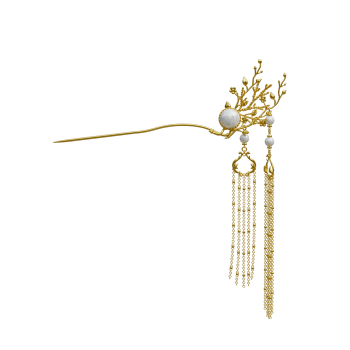
Chinese ancient hairpin
Also known as hairpin, it is a hair accessory used by ancient Chinese women to fix their hair and decorate it. It has practical functions and is also a cultural symbol, carrying profound historical and artistic value. The history has a long and rich history, dating back to the Neolithic Age. With the change of dynasties, the shape, material, and craftsmanship of hairpins continue to evolve. From antique bone and jade hairpins, to exquisite gold and silver hairpins, and even to gorgeous hairpins inlaid with gemstones, the craftsmanship of hairpins has become increasingly exquisite, becoming a symbol of ancient women's identity and status. Although modern hairstyles rarely use hairpins, this traditional hair accessory is still loved by people.

Exquisite stone carvings on temple walls in Taiwan
The stone carving art on the walls of Taiwanese temples is a traditional craft with a long history, integrating religious beliefs, cultural arts, and local characteristics. Carving usually uses locally unique stones from Taiwan, such as marble from Hualien and black stone from Taichung, which are carefully selected and processed. The content is rich and colorful, including Buddhist stories, myths and legends, historical figures, classic poems, and various auspicious patterns. The carving craftsmanship is exquisite, and the craftsmen use traditional manual skills. Each stone carving embodies the wisdom and sweat of the craftsmen, demonstrating their persistent pursuit of art and respect for traditional culture.
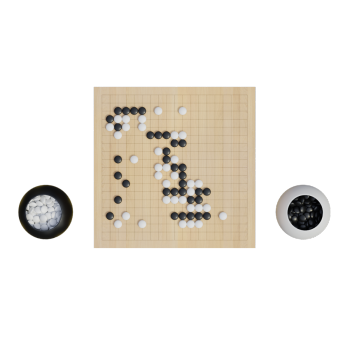
Go board set with imitation jade black and white chess pieces
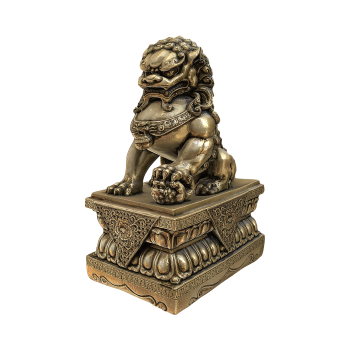
Palace Lion 3D Model
The Forbidden City lion is the royal guard portal to ensure the peace of the palace of the Swiss beast, because the lion is the king of beasts, it is strong, powerful, very imposing. The rulers believed that the lion could not only ward off evil spirits, but also bring auspicious air.

Popular Models
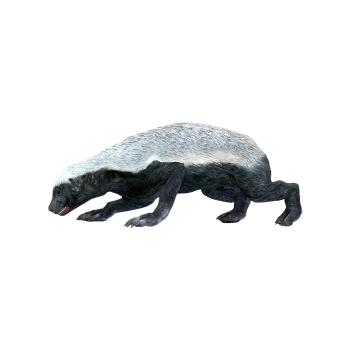
Honey Badger (3D animated model)
192 View
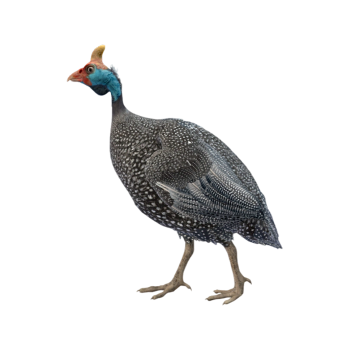
Guinea fowl (3D animated model)
163 View
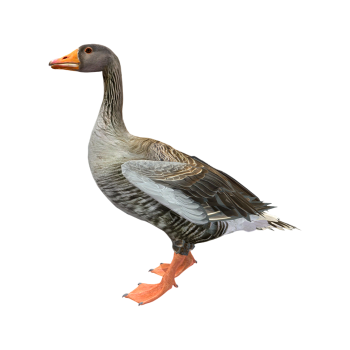
Wild Goose (3D animated model)
185 View

Red Fox (3D animated model)
153 View
Random Model

Japanese roasted eel
681 View

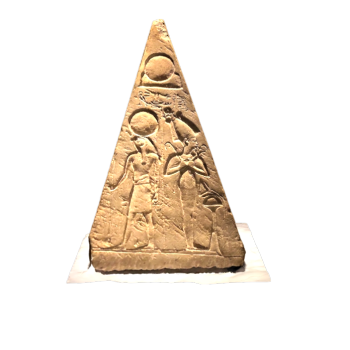
Pyramid
448 View

Diplodocus (3D animated model)
192 View

Jewelry Tortoise
725 View


Dragonfly 3D animation model
778 View


